Residential Electrician Checklist Before Selling Your House
Residential Electrician Checklist Before Selling Your House
Blog Article
Electrical Repairs become necessary the moment something stops working safely in a home or small business, whether that means a flickering light, a tripped breaker that will not reset, or an outlet that feels warm to the touch. Most households experience at least one electrical fault each year, and the National Fire Protection Association reports that electrical failures cause roughly 13 percent of all home fires. When the problem occurs at 11 p.m. or on a weekend, owners frequently search for a 24 Hour Electrician who can arrive quickly and leave the system code-compliant. Choosing the right professional matters since a rushed or incomplete fix can create new hazards rather than solve the original one. Many readers assume any licensed contractor will do, yet training, insurance levels, and service scope differ widely. A residential specialist who focuses on single-family homes understands older wiring, service-panel upgrades, and low-voltage smart-home additions that commercial crews rarely handle. Likewise, a 24 Hour Electrician who maintains an inventory of common breakers and GFCI devices can finish most jobs on the first visit, cutting both downtime and cost. This article walks through the practical steps for finding reliable help, verifying qualifications, and preparing the home before the technician arrives. Electrical Repairs cover tasks as basic as replacing a single 15-amp breaker and as extensive as installing whole-house surge protection. Across most municipalities, local regulations align with the National Electrical Code issued by the NFPA and refreshed every three years. The 2023 edition, for example, now requires arc-fault protection in kitchens and laundry rooms for all new work. A qualified 24 Hour Electrician stays informed of these updates and secures the necessary permits whenever service entrances are modified or new circuits are added how to choose 24. Common residential service requests involve restoring power after partial outages, fixing reversed polarity in wall outlets, and locating ground faults responsible for repeated GFCI tripping. Small-business owners often request dedicated circuits for commercial refrigeration or point-of-sale systems that exceed the original 100-amp service. Each project requires specific tools, from thermal imaging cameras to torque screwdrivers set to manufacturer specifications. Handyman services may advertise electrical work, yet they often lack the licensing and insurance that protect homeowners when problems occur. General contractors sometimes assign electrical tasks to the lowest-cost subcontractor, increasing the risk of code violations discovered only during insurance inspections. A dedicated Residential Electrician holds at least a journeyman or master license, maintains liability coverage of one million dollars or more, and attends continuing-education programs that address NEC updates. That specialization reduces callback rates and keeps repair costs predictable. Electricians who respond outside normal business hours generally charge between $120 and $200 for each hour, with a one-hour minimum. Replacement parts such as AFCI breakers or tamper-resistant receptacles add between $25 and $75 to the total. A service call that begins at 2 a.m. Obtaining a written quote before any work starts prevents unexpected charges; reliable companies usually deliver a fixed-price estimate within half an hour of the first phone conversation. Homeowners who request a written estimate before work begins avoid surprises; reputable firms email a flat-rate quote within 30 minutes of the initial phone assessment. Insurance coverage sometimes reimburses emergency electrical repairs when the failure poses a fire or safety hazard. An itemized invoice that separates labor, materials, and travel fees helps claims adjusters distinguish between insurable damage and standard upkeep. Over time, investing in proactive upgrades such as whole-house surge protection or a generator interlock kit can lower both insurance premiums and the likelihood of midnight service calls. Search volume for “24 Hour Electrician near me” spikes during storms and heat waves when air-conditioning compressors draw extra current. Local licensing boards publish disciplinary records online, so a quick license lookup can reveal prior complaints. In addition, county property-appraisal sites often list the age of the home and the last recorded electrical permit, giving a technician a head start on what to expect inside the walls. Traffic patterns matter too. A company whose service area includes your ZIP code can reach most jobs within 45 minutes even at 3 a.m.; firms based 30 miles away may quote longer response windows. Checking recent Google reviews for phrases such as “arrived fast” or “explained the breaker issue” provides social proof that the advertised availability is real rather than aspirational. Keep a laminated one-page diagram of your panel schedule near the service entrance so any technician can identify critical circuits without tracing wires at 3 a.m.Electrical Repairs: What Homeowners and Businesses Should Know
Residential Electrician Expertise versus Other Service Choices
How After-Hours Electrician Rates Affect Homeowners
Storm Surges and Heat Waves Drive Nighttime Service Calls
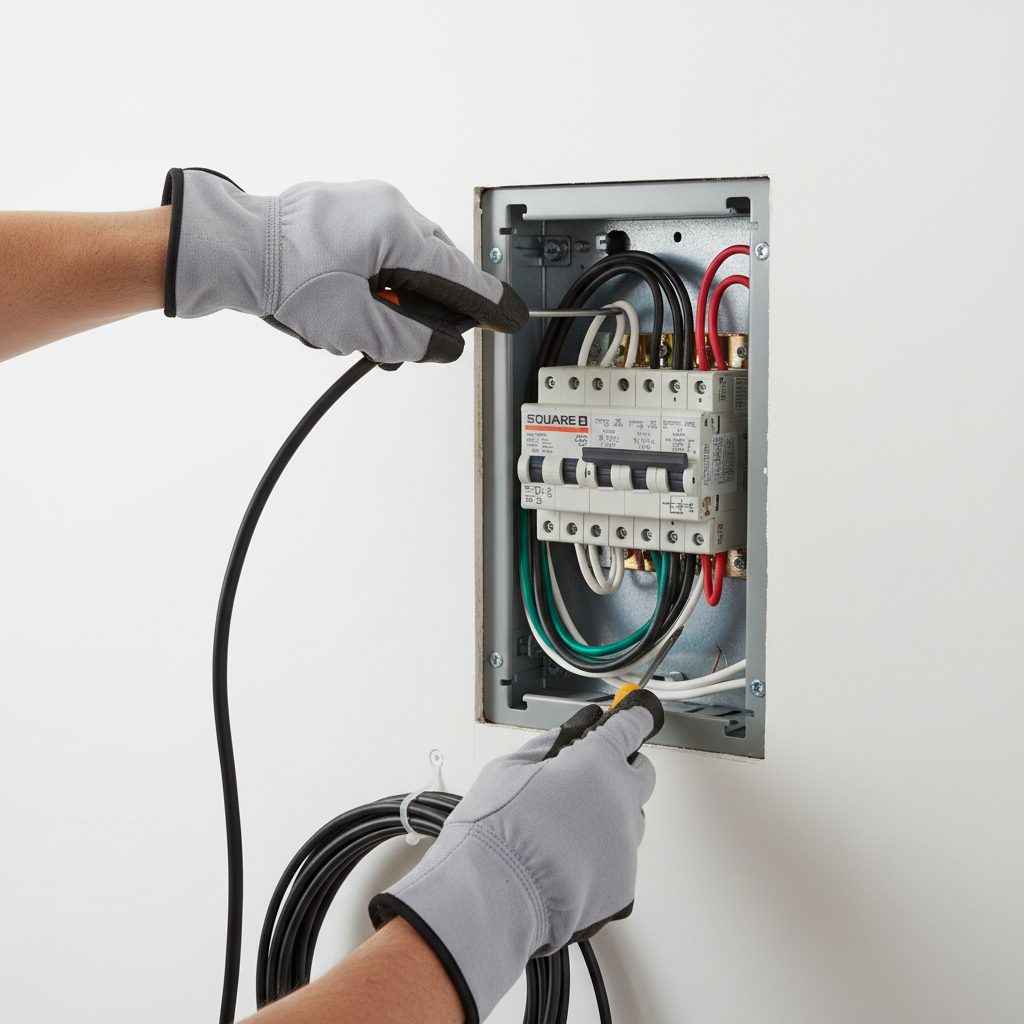 how to choose 24 Hour ElectricianResidential Electrician checklist
Professional 24 Hour Electrician Tips for Small Business Owners
Electrical Repairs
Frequently asked questions
When should homeowners contact an emergency electrician during off-hours
A 24 Hour Electrician is a licensed professional who provides electrical repairs outside normal business hours, including nights, weekends, and holidays. Reach out immediately if you lose power without warning, smell burning plastic near outlets, see breakers trip repeatedly, or face any hazard that waiting until morning would turn into a safety or financial problem.
How to choose 24 Hour Electrician for residential work
Verify the contractor’s state license number on the licensing board website, confirm at least one million dollars in liability insurance, and read recent reviews that mention response time and clean workmanship. Ask whether the company stocks common residential breakers and offers flat-rate quotes before dispatch.
What is the average 24 Hour Electrician cost for a nighttime service call
In most cities, after-8-p.m. rates fall between one-hundred-twenty and two-hundred dollars an hour, with a one-hour minimum. Requesting a written estimate before the technician departs the shop keeps the final invoice within 10 percent of the quoted amount.
How does a Residential Electrician differ from a commercial electrician
Residential specialists focus on single-phase 120/240-volt wiring, older knob-and-tube systems, and load calculations for appliances like electric ranges or tankless heaters. Commercial work involves three-phase power, conduit bending, and large service upgrades.
Are there electrical repairs a homeowner can safely do without calling a pro
Homeowners may legally replace switches and outlets inside their own dwelling, yet any task involving the service panel, new circuits, or permits requires a licensed electrician. Incorrect DIY repairs can void insurance and create fire hazards that cost far more than the avoided service call.
Which items belong on a pre-arrival checklist for an electrician visit
A thorough Residential Electrician checklist covers locating the main panel, identifying affected circuits, clearing workspace access, securing pets, shutting off non-essential loads, and confirming payment method. Completing these steps shortens diagnostic time and reduces the final invoice.
Electrical Repairs rarely announce themselves during convenient hours, yet preparation and the right professional turn an emergency into a manageable task. Maintaining accurate panel charts, keeping essential replacement components nearby, and confirming credentials beforehand helps residents and small-business operators restore service rapidly while staying safe.
When the lights go out or an outlet sparks, the difference between a smooth resolution and a prolonged outage often comes down to choosing a 24 Hour Electrician who arrives prepared and leaves the system better documented than before the call.